Flexibility is often misunderstood as merely being able to touch your toes or perform a split. While these feats can be impressive, they represent only a fraction of what flexibility truly encompasses. When we delve into yoga, we see that flexibility extends far beyond physical capabilities. It intertwines with mental awareness, breath control, and a deeper understanding of our bodies. This article explores the nuanced differences between yoga and traditional stretching, shedding light on how yoga offers a more holistic approach to flexibility.
The Nature of Stretching
Stretching is typically viewed as a physical activity aimed at elongating muscles and increasing range of motion. It often involves static poses held for specific durations or dynamic movements designed to warm up the body before exercise. While stretching has its merits—such as improving circulation, reducing muscle tension, and enhancing performance—it can sometimes lack the depth that yoga provides.
Static stretching focuses primarily on physicality. You stretch your biceps by holding an arm across your chest or work on your hamstrings by bending over to touch your toes. These actions help improve muscle elasticity temporarily but do not necessarily address other facets like balance or core strength.
The Benefits and Limitations of Stretching
While stretching is beneficial for maintaining flexibility, there are limitations to consider. First, static stretching alone does not always translate into functional movement in daily life or sports activities. Second, it can lead to potential injuries if not performed correctly or if done excessively without proper Check over here warm-up routines.

Yoga offers a different perspective. It emphasizes not just the physical aspects but also incorporates breathing techniques and mindfulness practices that can enhance overall well-being.
The Holistic Approach of Yoga
Yoga is often described as a practice of union—uniting the body, mind, and spirit. This philosophy permeates every aspect of yoga practice and sets it apart from mere stretching exercises.
Movement and Breath: A Synergistic Relationship
In yoga, movement is closely linked with breath. Each pose encourages practitioners to synchronize their inhalations and exhalations with their movements, fostering a mind-body connection that deepens awareness. For example, in a downward dog position, practitioners are encouraged to breathe deeply while feeling the stretch in their hamstrings and back. This mindful approach generates both physical flexibility and mental clarity.
The benefits extend beyond just increased range of motion; they also include greater emotional resilience and stress reduction. The practice allows individuals to cultivate a sense of presence which enhances mental focus and relaxation.
Understanding Flexibility Beyond Physical Attributes
Flexibility in yoga encompasses much more than muscle elasticity; it includes emotional flexibility as well. Many styles of yoga encourage practitioners to explore their boundaries—both physically and mentally—through poses that challenge comfort zones while promoting self-acceptance.
For instance, in an intense vinyasa class where participants flow through challenging sequences, one might encounter feelings of frustration or limitation when struggling with certain poses. Yet these moments become opportunities for growth as they teach patience and perseverance.
When comparing yoga vs stretching for flexibility training, it's important to highlight this emotional intelligence component that traditional stretching lacks.
Functional Flexibility vs Static Stretching
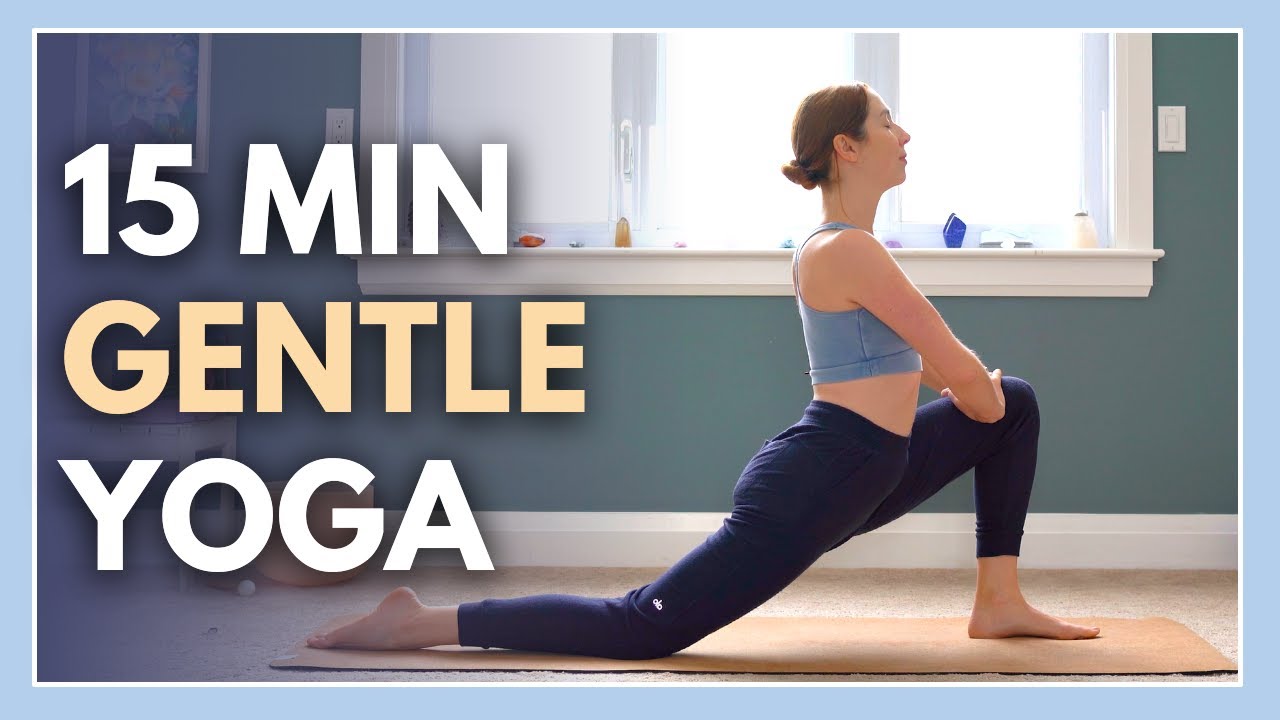
Functional flexibility refers to the ability to move freely through various ranges without injury during everyday activities or sports endeavors. Yoga trains this by integrating strength-building poses—like lunges or warrior sequences—that require stability while simultaneously stretching specific muscle groups.
Conversely, static stretching may provide temporary relief but often neglects these dynamic qualities necessary for functional movement patterns required in real-life situations.
Yoga Philosophy Versus Traditional Stretching
The philosophical underpinnings of yoga add another dimension absent in conventional stretching routines. Rooted in ancient traditions from India thousands of years ago, yoga embodies principles such as ahimsa (non-violence) towards oneself—a reminder that pushing too hard will not yield lasting benefits.
This philosophy encourages practitioners to listen intuitively rather than forcing their bodies into uncomfortable positions simply for aesthetic purposes or competition against others’ abilities—a common pitfall within fitness culture focused solely on results rather than process-oriented approaches.
Mindfulness: An Integral Component
Mindfulness serves as an integral part throughout each session since practitioners are encouraged to observe thoughts without judgment during practice sessions—creating space for self-discovery while allowing emotions tied up with inflexibility (physical or mental) surface naturally instead of being suppressed through rigid expectations set by external influences whether from peers’ comparisons or societal pressures around body image norms today.
By incorporating mindfulness into the practice along with breathwork combined with diverse postures over time leads ultimately toward deeper insights about individual limits—including recognizing when enough is enough—which contributes significantly toward achieving long-term success regarding enhancing overall mobility safely!
Yoga Versus Mobility Training
While both yoga and mobility training aim at improving one's range-of-motion capabilities effectively over time—they differ greatly concerning methodologies employed within each discipline: where mobility training tends toward isolated exercises targeting specific joints/muscle groups; however,
yoga embraces full-body integration via flowing series emphasizing transitions between different positions alongside proper alignment guidelines ensuring safety during progression levels based upon personal comfort thresholds attained gradually through consistent dedication!
Ultimately choosing between them depends primarily upon individual preferences/needs based upon lifestyle factors but understanding key distinctions helps navigate decisions leading ultimately towards informed choices reflecting balanced wellness journeys tailored specifically aligned desires/goals achieved holistically over time!
Engaging regularly within either domain fosters greater awareness surrounding personal limitations while nurturing resilience leading toward overall enhanced physical health alongside improved mental clarity facilitating richer experiences throughout daily lives transformed positively through intentional practices adopted consistently moving forward!
